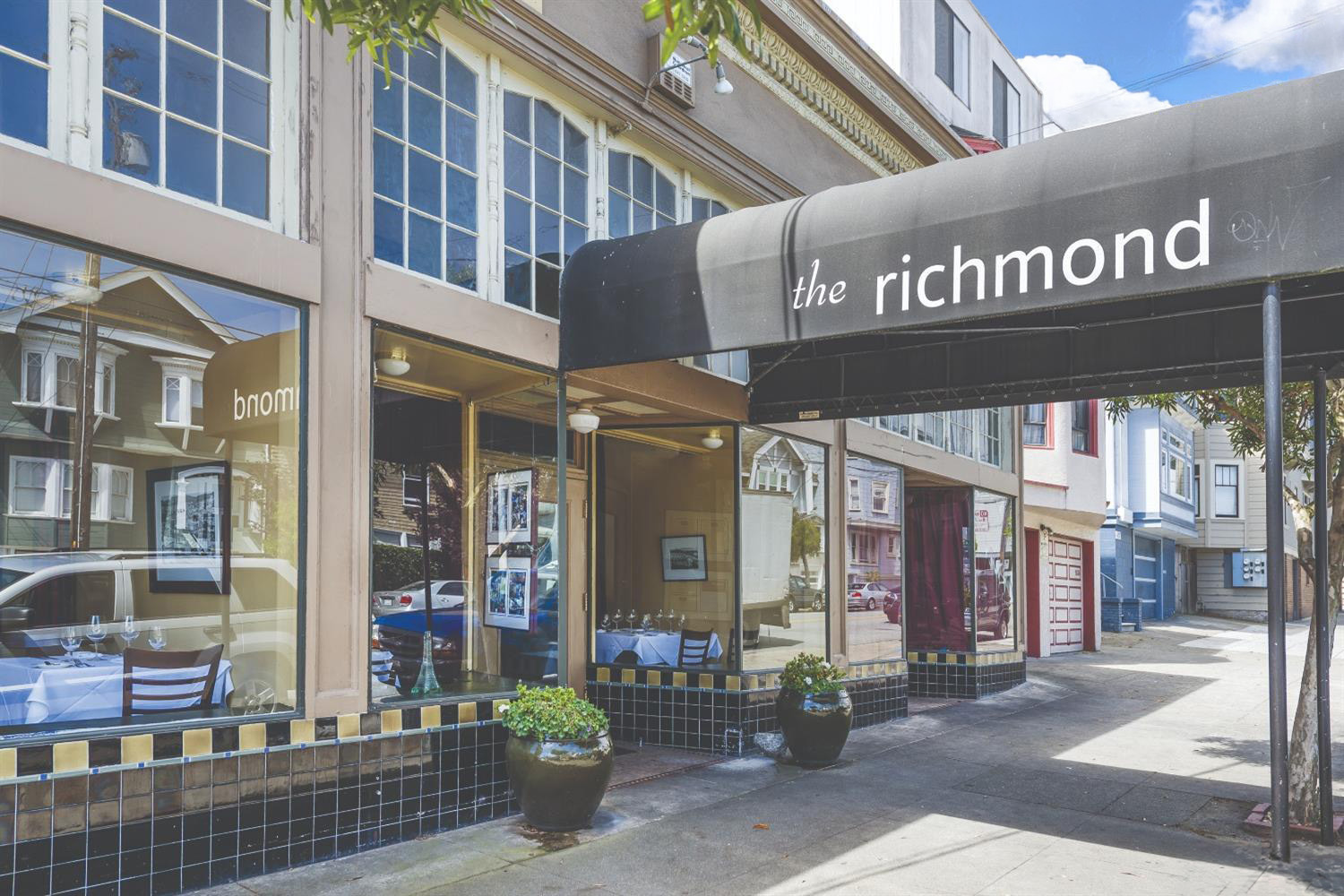
As of June 2026, Central Richmond is one of San Francisco's faster single-family markets: the median house closed at $2.62M over the recent window, moving in a median of 12 days. Condos sit at $1.76M and two-unit buildings at $1.95M. The story here is condition, not location, with renovated homes selling above $3M.

Unless otherwise noted, all market figures in this report are drawn from MLS data. Central Richmond is a grid of pre-war houses on narrow lots a short walk from Golden Gate Park. The headline number is the single-family median at $2.62M, but the more useful number is the 12-day median sale pace, which tells you houses that show well do not sit. Across every property type, the median is up about 8% from a year ago on 102 sales. The single-family-only figure looks larger, but it rides on roughly 20 closings, so I read the broader number as the reliable one. What follows is the per-type breakdown, the recent comps that set the range, and the neighborhood texture behind the data.
Central Richmond by the numbers: June 2026

How each property type is pricing
Single-family houses are the core of Central Richmond and the strongest segment, at a $2.62M median and $1,201 per square foot over the recent window. Condos are thinner here but priced well, at a $1.76M median across eight closings. Two-unit buildings ran $1.95M and three-unit buildings about $1.90M, the kind of small multi-unit housing that lets an owner offset a mortgage with rental income. Larger five-plus-unit properties closed around $2.19M, and entry-level TICs near $1.30M. The condo and small-multi numbers carry the widest year-over-year swings, but each rests on only a handful of sales, so I treat them as directional rather than precise. The single-family segment is the one with enough volume to read with confidence.
What the recent sales tell us
I track Central Richmond block by block, and the recent single-family sales make the condition gap obvious. The top of the range was a renovated four-bedroom on the 500 block of 22nd Avenue that closed at $4.1M after listing at $2.95M, and a vacant, fully renovated four-bedroom on the 400 block of 24th Avenue that took $3.8M in six days. A renovated three-bedroom on the same 22nd Avenue block, carrying bridge and city-light views, closed at $3.2M with zero days on market.
The bottom of the range is where the value sits. An as-is estate sale on the 500 block of 23rd Avenue, sold under court confirmation, listed at $1.595M and still drew competition to $2.3M, a reminder that even original-condition houses here get bid up. A renovated four-bedroom with a legal in-law unit on the 600 block of 27th Avenue closed at $1.955M, the lowest single-family price in the recent set. Between those poles, homes on the 500 block of 18th Avenue and the 6400 block of Geary Boulevard closed in the low-to-mid $2M range. The pattern I'd point you to: renovation and view, not address, set the price within this grid.
For a buyer, the takeaway is to comp within condition, not just within the grid. A renovated house and an original one on the same block sit in two different price worlds, and pricing the original house off the renovated sale, or the reverse, is the most common mistake I see here. The 12-day median pace means a well-prepared listing rarely gives you time to deliberate, so going in pre-underwritten matters more than shaving a few thousand off your opening number.

The neighborhood behind the numbers
Central Richmond earns a 96 Walk Score, a Walker's Paradise, with a 71 Transit Score rated Excellent Transit. Daily errands rarely need a car. The dining along the Geary Boulevard corridor is one of the strongest in the city for the price, anchored by spots like Aziza and Dragon Beaux, with Tommy's Mexican Restaurant and Khan Toke Thai House among the longtime draws (OpenStreetMap). The housing stock is consistent: most of the recent sales were built between 1915 and 1927, classic two- and three-story houses on narrow lots, and the broader block group's median structure dates to 1942 (Census ACS).
This is a settled, owner-heavy part of the city. The median household income in the surrounding block group is about $141,000 (Census ACS), and the avenues run roughly a degree cooler than the citywide average through the marine layer (National Weather Service). For buyers weighing buying a home in San Francisco, Central Richmond trades the sun of the eastern neighborhoods for space, walkability, and a house rather than a flat.
Golden Gate Park forms the southern edge, a short walk from most blocks for trails and open green space. The commercial life runs along the Geary Boulevard corridor, a dense run of restaurants and bakeries that gives the area its everyday rhythm. Older institutions like Saint Monica's Roman Catholic Church and Our Lady of Fatima anchor the residential streets (OpenStreetMap). The trade-off for that walkability is parking pressure and the marine layer, both simply part of life in the avenues.
The transit access is genuine: a 71 Transit Score rated Excellent Transit, on top of the 96 Walk Score. For households weighing space against commute, the draw is the combination of full-size houses and proximity to Golden Gate Park, which is rare at this price closer to the city center. Most homes follow the classic avenues layout, a garage and entry at street level with the main living floor above and bedrooms toward the rear. That layout is worth understanding before you tour, since it shapes light and parking and frames how a remodel can open up the ground floor.

What to consider before you buy or sell in Central Richmond
The 12-day pace and the $2.62M median read as a clean seller's market, but the picture has real tradeoffs worth naming.
The fog tax is real
I don't sugarcoat the climate. The western avenues sit under the marine layer more often than the city's east side, running about a degree cooler on average (National Weather Service). It is the reason these houses trade at a discount to comparable space in Noe Valley or Pacific Heights, and it is a genuine lifestyle question, not a deal-breaker for everyone.
Condition sets the price, and renovated stock is scarce
The gap between an as-is house and a turnkey one ran past $1.5M in the recent sales. Renovated, view, or vacant homes sold between $3.2M and $4.1M, while original-condition stock started near $2M. If you want move-in-ready, expect to compete; if you will renovate, the original houses are where the value is.
The data is thin, so trust the pace over the median
Roughly 20 single-family homes closed over the recent window. That is a small sample, and a single $4.1M sale moves the median. I weight the 12-day sale pace and the renovated-versus-original spread more heavily than any single headline figure here.
What wins an offer in Central Richmond right now
With a 12-day median pace, the deal-specific levers matter more than the calendar. A few that moved the recent sales: a clean, fully financed offer competes with cash when the seller wants certainty; a vacant home like the $3.8M sale on the 400 block of 24th Avenue closes faster because there are no tenant or timing complications; and parking, which most of these houses have, is a quiet value-add on a grid where curb space is scarce. View is the other multiplier, as the bridge-and-city-view house that took $3.2M in zero days showed. If you are selling, the highest-return move is almost always condition: the spread between as-is and renovated ran past $1.5M, so a targeted pre-sale renovation often returns more than it costs. If you are buying original-condition stock, build your renovation budget into the offer and move quickly, because even estate sales here draw competition.
What to watch heading into fall 2026
San Francisco's selling year runs in two cycles, spring through June and a shorter fall window from late August to Halloween. Central Richmond's spring was firm, and the open question for fall is supply. Only about 20 single-family homes closed over the recent six-month window, and inventory this tight keeps well-prepared listings moving in under two weeks. Watch whether the renovated-home premium holds as more original-condition houses come to market, and whether the stable 6.49% rate environment (Freddie Mac) keeps buyers transacting rather than waiting. If current patterns hold, the data suggests a steady fall, but a market this small can turn on a few sales.
How much does a home cost in Central Richmond?
As of June 2026, the median single-family home in Central Richmond costs $2.62M, with houses selling in a median of 12 days. Condos run about $1.76M and two-unit buildings about $1.95M over the trailing six months. The range is wide: original-condition houses start near $2M, while renovated or view homes have closed between $3.2M and $4.1M. Condition and views, more than the specific block, drive where a given house lands.
Is Central Richmond a good place to buy in 2026?
As of June 2026, Central Richmond suits buyers who want a single-family house with strong walkability rather than the warmest weather. It earns a 96 Walk Score (Walker's Paradise) and sits a short walk from Golden Gate Park, with a deep dining corridor along Geary Boulevard. The tradeoffs are the cooler marine-layer climate and a 12-day sale pace that rewards buyers who are financed and ready to move quickly. Many first-time buyers here start with condos near $1.76M.
Are home prices in Central Richmond going up?
Yes, prices are rising as of June 2026: the median sale price across every property type is up about 8% from a year ago, on 102 closings over the trailing year (MLS). Days on market tightened by roughly a week year over year, to a 27-day average. Demand has held alongside a stable rate environment and the broader recovery tied to the AI hiring cycle, though small samples make any month noisy.
How fast do homes sell in Central Richmond?
As of June 2026, single-family homes in Central Richmond sell in a median of 12 days, among the faster paces in the city. Well-presented and renovated houses move fastest: several recent closings went in zero to ten days, and one vacant renovated home took six. Original-condition and estate sales take a little longer, closer to 18 to 20 days, but they still draw competition. Price the house right and it does not linger.
What kind of homes are in Central Richmond?
As of June 2026, Central Richmond is overwhelmingly pre-war single-family housing, most of it built between 1915 and 1927 on narrow lots. Houses dominate, with a layer of condos, two-unit buildings, and a handful of larger multi-unit properties. The single-family median is $2.62M; condos run $1.76M and two-unit buildings $1.95M. The classic layout is a garage and entry at street level with living space above.
Talk to me about a specific block or property type in Central Richmond
The medians here describe the grid as a whole, but your decision turns on the specific house: its condition, its views, whether it is vacant, and how recently it was renovated. Those levers moved prices by more than $1.5M in the recent sales. If you'd like the comp set narrowed to your target block or property type in Central Richmond, I can pull the sub-neighborhood data we used here and walk you through what it means for an offer or a list price.
Last updated: June 26, 2026