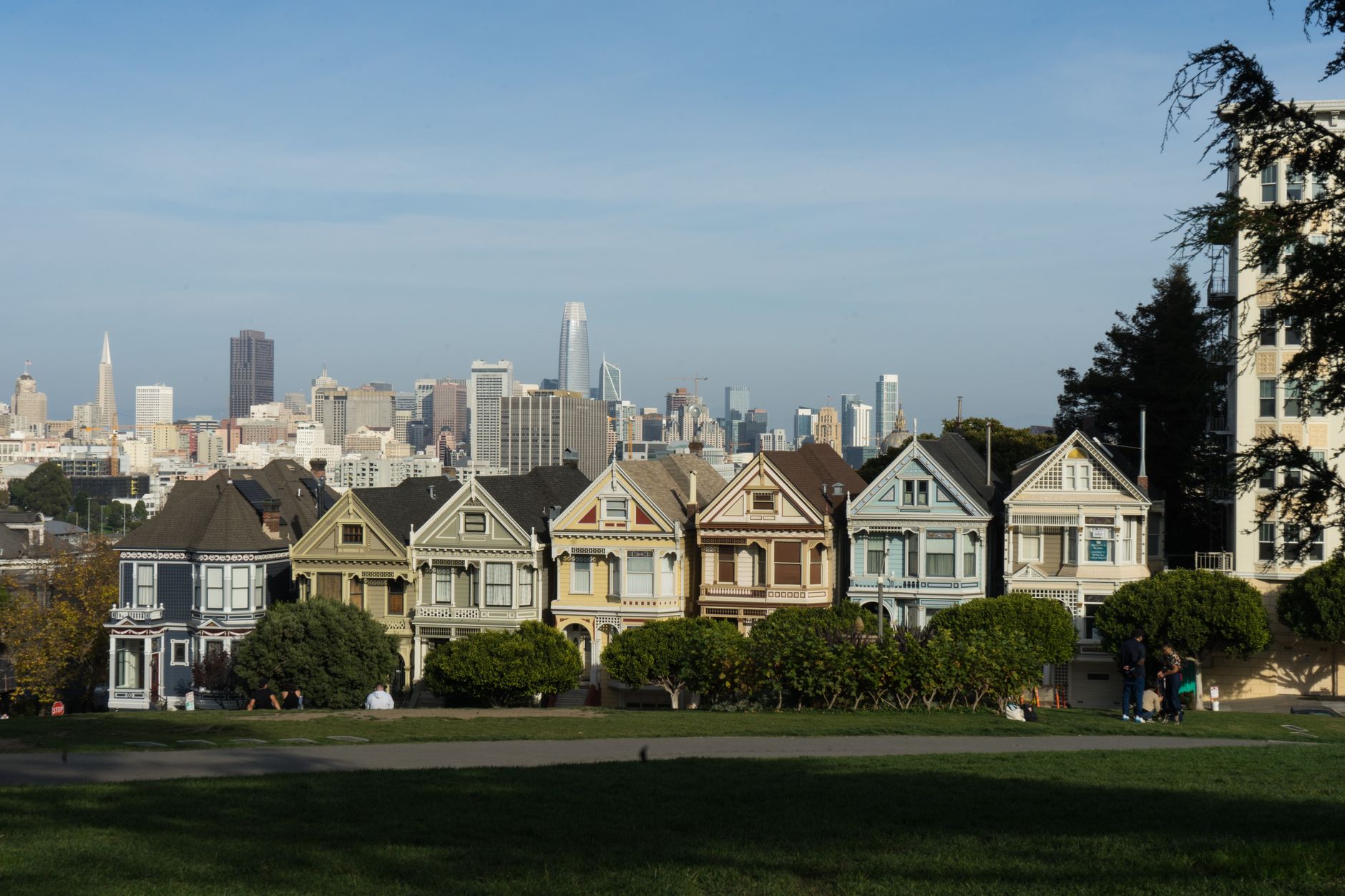
San Francisco prices vary widely by home style and condition. As of September 2026, the citywide median sale price is $1.75M, the average is $2.14M, and homes close in a median of 12 days. Your style and buyer pool decide where inside that range your sale lands.
Unless otherwise noted, all market figures in this guide come from MLS data, drawn from a citywide sample of about 1,000 recent closings over the trailing 12 months.
Most sellers ask me what their home is worth. The better question is what kind of buyer their home style pulls, because that is what sets the price. A restored Victorian flat, a plain Edwardian, a mid-century detached house and a glass-front condominium can all sit within the same citywide numbers and still sell on completely different logic. After pulling the citywide sale figures for 2026, I tell every seller the same thing: the style decides the pool of buyers before you ever pick a list price.
I'm Chris Chour, founder and broker of EON Real Estate. Most of my work is single-family and condo transactions in San Francisco's higher-priced neighborhoods. Here is the part that trips people up. The citywide median is $1.75M and the average is $2.14M, a gap that tells you the upper end of the market pulls the average well above the middle. If you price your home to the average because it sounds better, you price to a different home than the one you own. The trailing 12 months produced a median close of 12 days, which sounds fast, but the fast homes and the slow homes are not evenly spread across styles. Turnkey flats and well-kept condos move quickly. Project-condition homes of any style sit. This guide walks through what each style asks of a seller in 2026.
San Francisco home prices by the numbers
These are the citywide figures to start from before adjusting for your specific style, floor plan or condition. Read them as the middle of a wide range, not as your number.
The single most useful number here is the $1,203 per square foot average, because it travels across styles better than the headline price does. A 12-day median close also tells you the market rewards homes that are ready to show. If you want the full picture of what leaves your pocket at closing, read what seller closing costs cover in San Francisco before you set your net-proceeds expectations.
How each home style sells in 2026
Style is not decoration when you are selling. It decides who shows up, how they finance, and how forgiving they are about condition. Three groupings cover most of what sells.
Victorian and Edwardian flats
These older wood-frame homes draw buyers who want character and are willing to accept quirks: narrow stairs, tight kitchens, period detail that costs money to keep. The buyers who love them will pay a premium for restored condition and walk away from deferred maintenance. At $1,203 per square foot as the citywide average, a well-restored flat can clear that figure comfortably while a tired one trades below it. What I would price first is condition, then light, then the floor plan.
Mid-century and detached houses
Detached houses tend to draw a wide range of buyers and strong competition, because a house with its own walls and outdoor space is one of the scarcer options in a city built largely of attached homes. These homes tend to close nearer the 12-day median when they are priced honestly. The risk is over-improvement: a renovation tuned to your taste rather than the buyer's rarely returns its cost.
Contemporary and mid-rise condos
Modern condominiums sell on comparison. A buyer is weighing your unit against others in the same tier, so view, floor level, parking and monthly dues move the number more than style does. Homeowner-association health and any disclosed litigation matter to a lender, so confirm warrantability early. Condos are also the most exposed to the gap between the $1.75M median and the $2.14M average, since the priciest units skew the citywide average upward.
What to consider before you list
This is the section every seller wants to skip and none should. The tradeoffs are where sale prices are won or lost.
Do not price to the average
The citywide average of $2.14M sits well above the $1.75M median for a reason: a small number of very high sales pull it up. Pricing your home to that average, when your style and condition put you near the middle, is the most common mistake I see. It buys you a slower sale and a price cut in public view.
Do not list before the home is ready to photograph
With a 12-day median close, the market rewards homes that show well on day one and punishes the ones that arrive half-finished. A home that lingers past the 16-day average invites low offers. Do not put it in front of buyers until the work that changes a photo is done.
Weigh the cost of matching your style's buyer pool
Every style has a buyer who will pay the most for it, and reaching that buyer costs money in staging and marketing. The honest question is whether the spend returns more than it costs for your specific home. Sometimes it does not, and a straight answer on that is worth more than an optimistic one.
Pricing your home to the right style comp
When I set a list price, the starting point is the average price per square foot, which was $1,203 across the citywide sample, then adjustments up or down for your home's style, condition, floor plan and outdoor space. The number should never start from the headline median, because $1.75M is a blend of every style in the city and yours is only one of them. The clearest signal in the data is the distance between that $1.75M median and the $2.14M average: the top of the market is pulling the average well above the middle, so pricing to the average is a trap. The discipline is to build the number from the ground up, using the per-square-foot figure and the closest style comps, rather than from the top down using a citywide headline. If you are choosing who runs that analysis for you, how to choose a San Francisco listing agent is worth reading first.
Staging and the marketing window by style
Staging is not one playbook. An older flat wants its period light and proportion shown off, with furniture scaled to rooms that are often smaller than they photograph. A detached house wants its outdoor space and flow emphasized. A modern condo wants its views and finishes to carry the frame. The through-line is the calendar: with a 12-day median close, the first week of showings is where most of your negotiating power sits, so the home has to be finished before the photographer arrives. San Francisco runs two real selling cycles, spring after Valentine's Day through June and fall from late August to Halloween, and listing into one of those windows matters more than the exact week you choose.
Off-market versus listing on the MLS
Off-market can make sense when privacy matters, when the buyer pool for your style is small and known, or when timing has to stay quiet. Listing on the MLS wins when you want price discovery and the competition that a wide, public launch creates, which for most style categories produces the strongest result. With a 12-day median close, a public launch tends to concentrate demand into a short, competitive window. I walk sellers through both paths and let the specific home decide, rather than pushing one by default.
What are San Francisco style houses called?
San Francisco's signature homes are called Victorians and Edwardians, the wood-frame flats and row houses that fill much of the city, though as of September 2026 the for-sale market also runs to mid-century houses and modern condominiums. Across the citywide sample the median sale price is $1.75M with a 12-day median close (MLS). What buyers call the style matters less than how it prices, since flats, houses and condos each draw a different pool.
What architectural style is San Francisco?
As of 2026, San Francisco has no one architectural style; its housing mixes Victorian and Edwardian flats, older detached houses, mid-century homes and contemporary condominiums. That variety is exactly why a citywide median of $1.75M (MLS) tells you little on its own. Style, era and condition move a sale far more than the headline number does, so a single citywide figure that blends every style together is the wrong place to begin pricing.
What is the style in San Francisco?
As of September 2026, the residential styles that define San Francisco are the ornamented Victorian, the plainer Edwardian, the mid-century house and the modern condominium. For a seller, style sets the buyer pool before price does. The citywide median sits at $1.75M and the average at $2.14M (MLS); homes in the most sought styles tend to close nearer the 12-day median, while harder-to-place homes sit well past the 16-day average and invite the low offers that follow a stale listing.
What are 15 types of dwellings?
As of 2026, the residential types you actually sell in San Francisco are fewer than a generic list of 15: single-family houses, condominiums, tenancies-in-common, two-to-four-unit buildings, plus a smaller number of co-ops and townhomes. Each prices on its own comparable sales, so the blended citywide median of $1.75M (MLS) is a starting point and never your list price. I price every home against its own type first, then adjust for its style and its condition before anything else.
What are the 10 main architectural styles?
As of September 2026, most sellers do not need a list of 10 or more academic styles; in San Francisco the ones that shape a sale are Victorian, Edwardian, stucco-front houses, mid-century and the contemporary condominium. The distinction that matters is flat versus house versus condo, because each draws its own buyers and financing. The citywide median is $1.75M with a 12-day median close (MLS), though your style decides which side of that median you land on.
Talk to me about selling your San Francisco home
When you are ready, I can pull the style-specific figures for your block and show you where your home sits against the $1,203 per square foot average and the recent closings in your category. No pressure and no pitch, just the numbers your home is actually competing against. If you want to see how prices sort across the city first, take a look at how sale prices rank across San Francisco.